
GoCart Team
PUBLIC
United States, High Technology High School
Membres
Les membres de cette équipe sont privés.
Galerie de l’équipe
Vue d’ensemble du projet
Radio Frequency Identification Based Item Tracking to Expedite the Shopping and Checkout Process
Worldwide, the retail industry has a yearly revenue of $24 trillion. However, in such a magnitudinous industry, the process of physical shopping process has had far fewer technological advancements than most other industries. Often, shoppers place their items in shopping carts or baskets and bring these baskets to a checkout counter where a cashier scans these items to find the payment amount. However, since the implementation of Universal Product Code (UPC), there has been no major implementations of technology to save time or money in any stage of this process.
The proposed invention utilizes Radio Frequency Identification (RFID) as core technology. RFID is a relatively new technology that has two components. The tag or antenna is composed of an integrated circuit and an antenna surrounded by a protective material such as plastic. When a radio wave is received, the tag sends the signal back with its unique identification number. While active RFID tags exist, which utilize batteries to supply power to the tag to increase the range of the wave, passive tags are cheaper yet effective and thus more widely used. The reader is attached to a power source and sends out high frequency waves. The wave is returned from the tags with an identification number, essentially reading the tags in the RFID readers’ vicinity.
Currently, RFID technology is commonly used for inventory management. This allows retail companies to easily track their inventory by placing RFID tags on each product and using a single RFID reader or a series of readers to scan and log each identification number. This number is then mapped to the store’s database of products to map it to the product names, thus creating a complete inventory log. While this technology is beneficial to the industry and the companies, it does not improve a shoppers’ experience, as they never benefit from the advanced RFID technology embedded in each item. However, by integrating existing RFID infrastructure in the shopper experience, elaborated on in the invention description, the store and user can save valuable money and time.
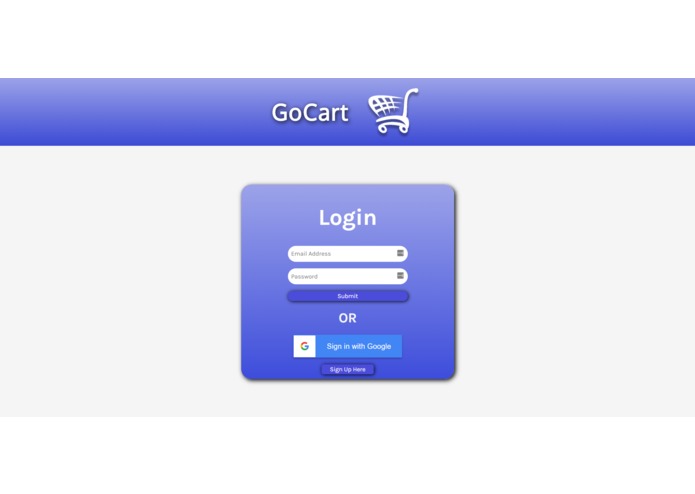
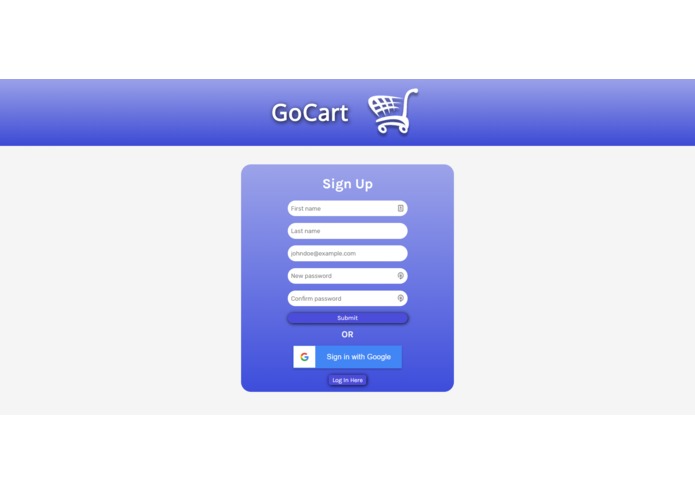
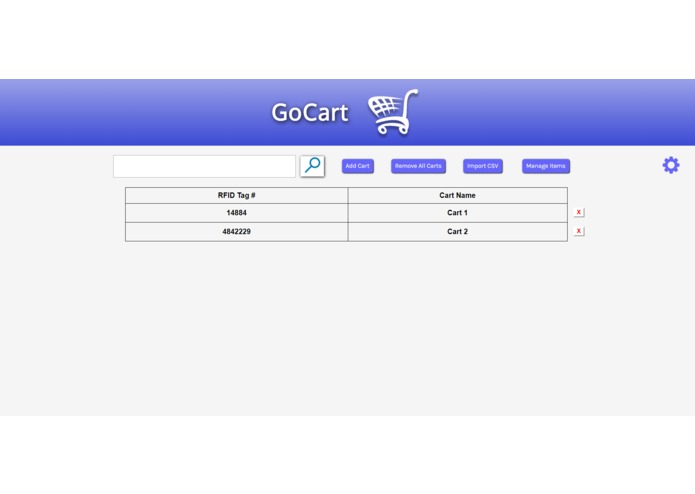
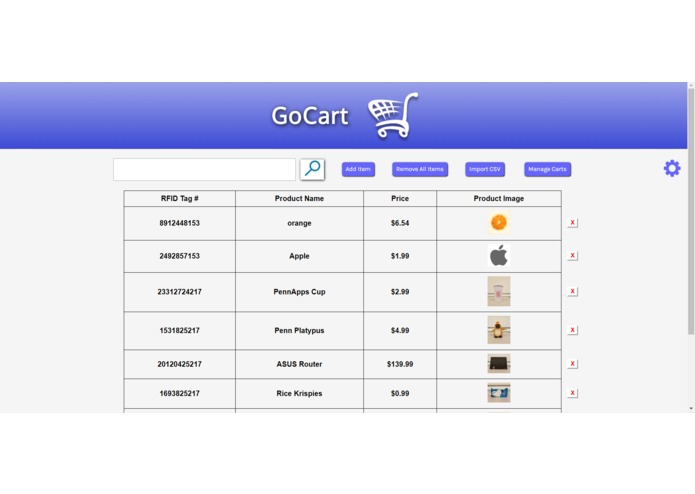
Users start by using the online web app, which is written in HTML/CSS/JavaScript. In the web app, they can create an account that is encrypted with BCrypt and stored on our backend database or sign in via Google Sign-In. Once they are authenticated, users add a product inventory and shopping carts to the page. Every product and shopping cart is tied to a unique RFID tag that is securely stored on the backend database. Users can easily add, edit, and remove products easily to ensure that they have complete control over their inventory.
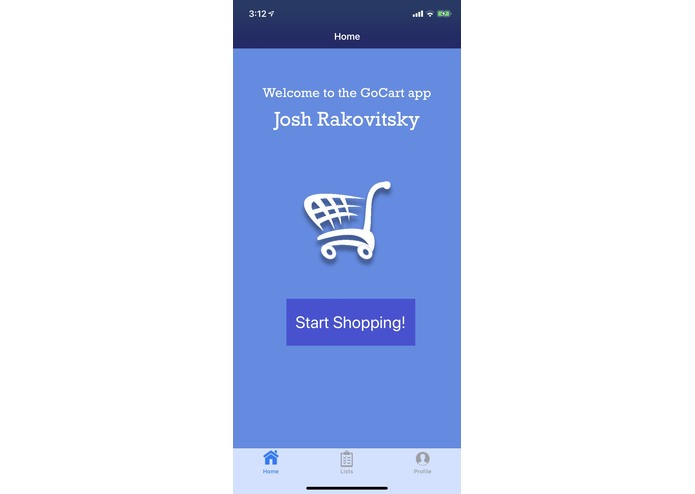
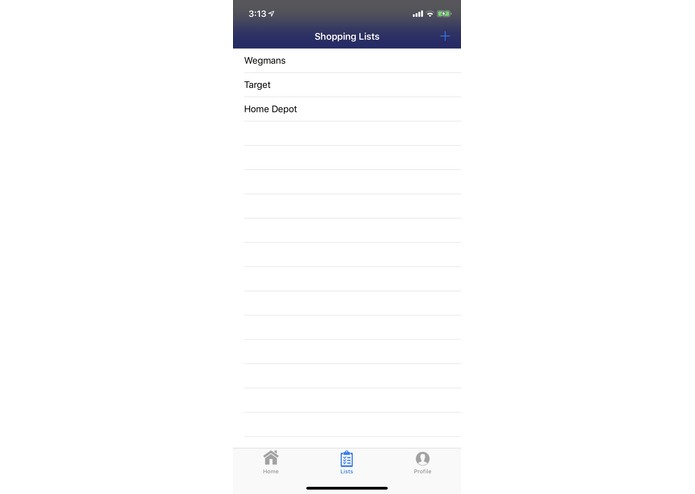
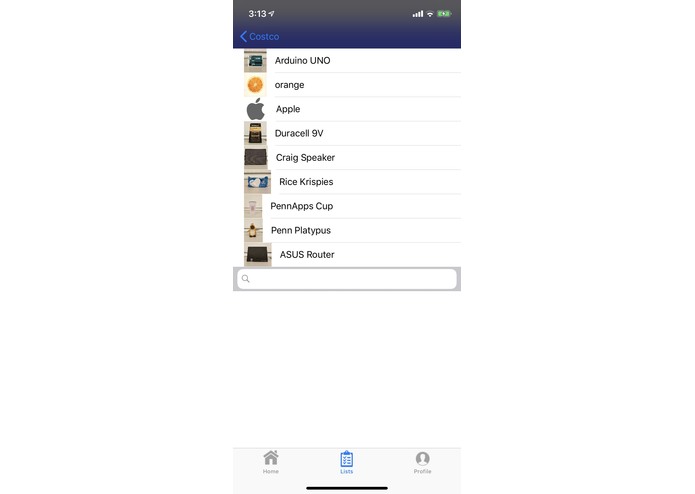
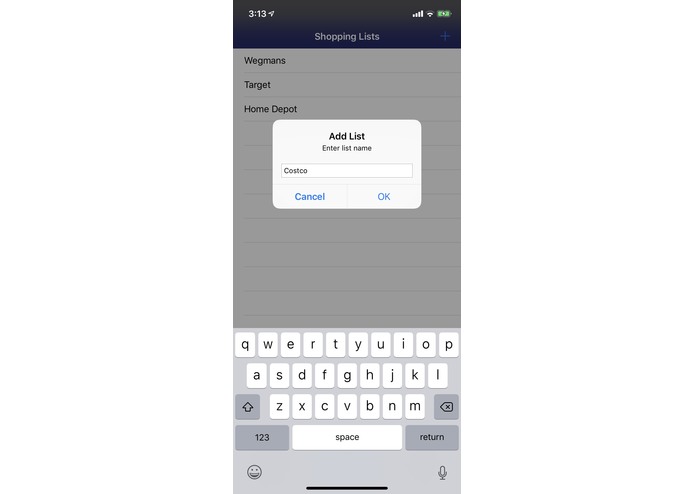
Once an inventory is added to the database, users can begin using the iOS app coded in Swift. They can create a shopping list based on the individual products loaded into the database for each store. They can search for, add, and remove items from their list and save it when they are done. Microsoft Azure Cognitive APIs are used for object analysis to make product recommendations to the user based on previously added products.
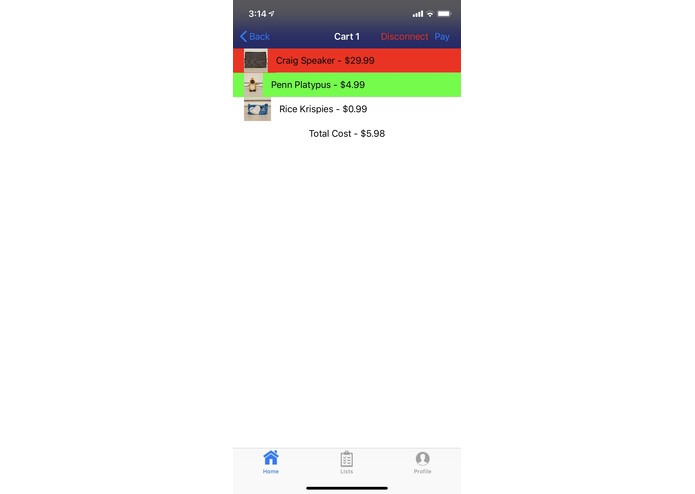
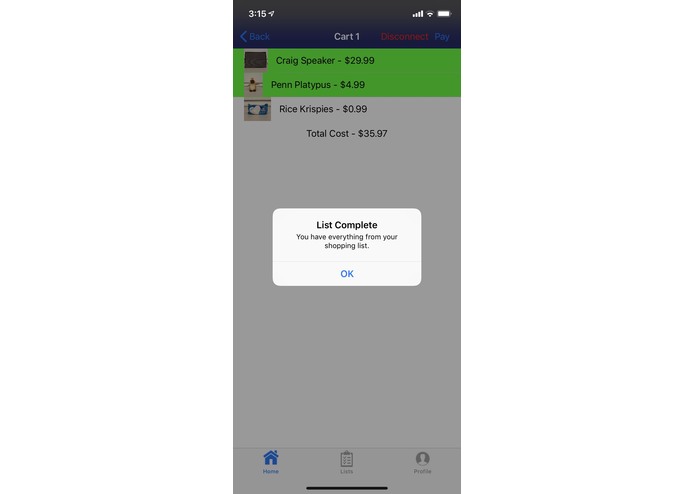
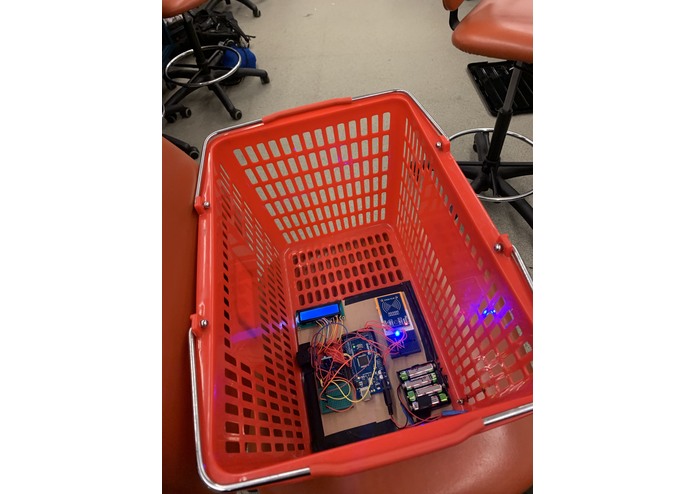
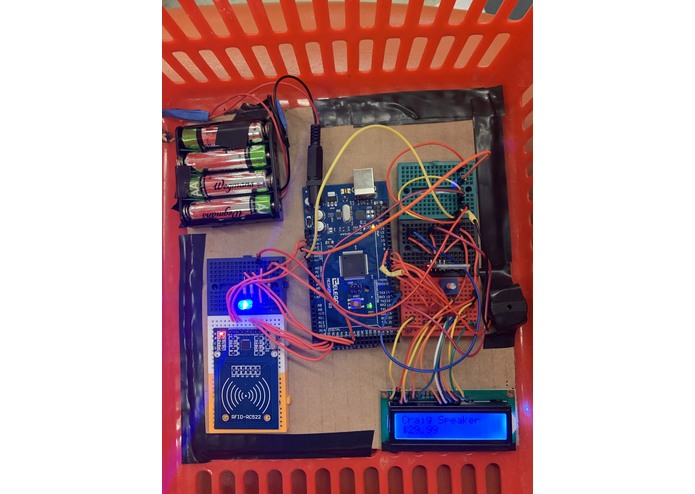
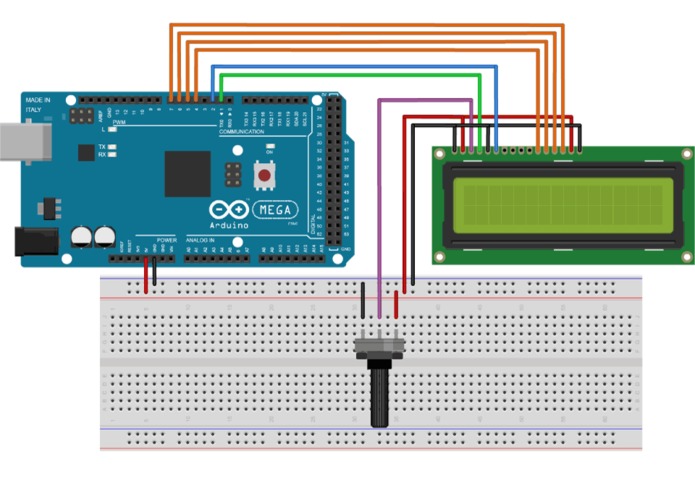
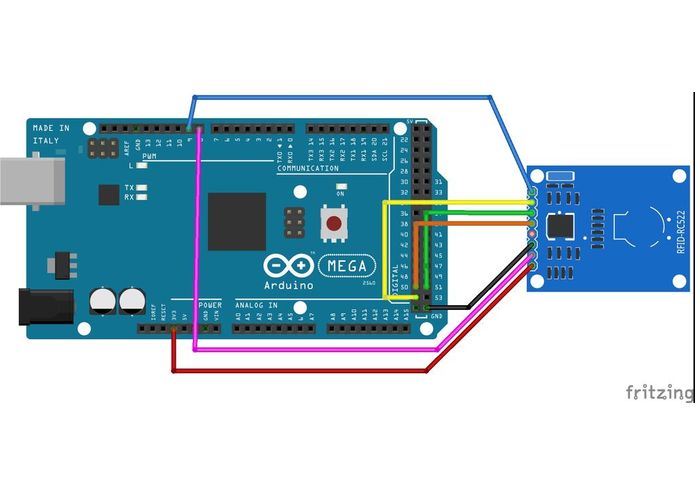
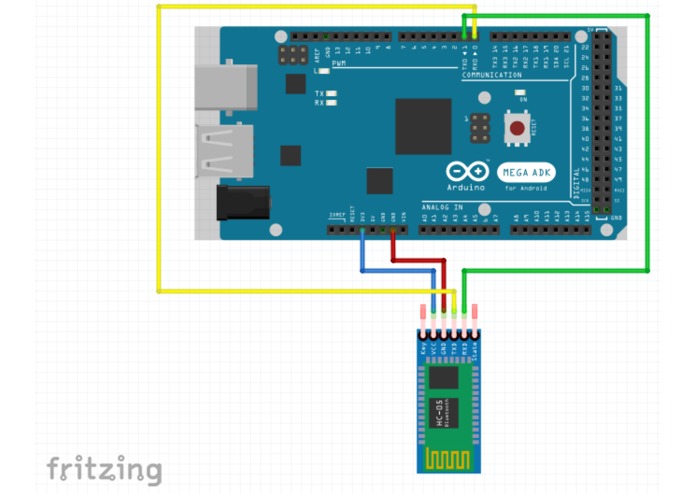
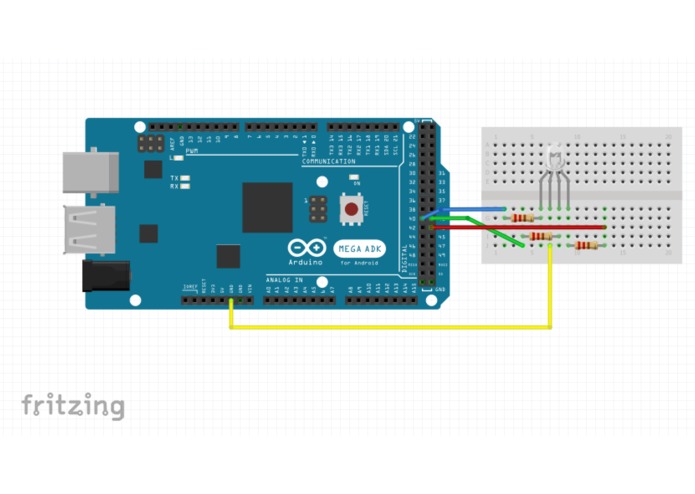
At the store, each product has an RFID sticker attached to it that contains a unique identification number. The cart has an Arduino based mechanism written in C++ containing a short-range RFID reader, LED, buzzer, Liquid Crystal Display, and a Bluetooth chip. A shopper can connect to the cart via BLE (Bluetooth low energy) communication and is given feedback when they are connected. When users add a product into the cart, the item is immediately recognized via the RFID tag and cross-referenced with the database through the iOS app. The product is either appended to the bottom of the shopping list or crossed off the existing shopping list. This allows the shopper to see every product in the cart and check the status of their shopping list right on their phone. When a user is done shopping, they can pay directly through their phones using Apple Pay, allowing them to skip the hassle of checkout lines.
Finally, an anti-theft system coded in Batch, AutoHotKey and Node.js is used to prevent theft of products. If the products in a shopping cart are not paid for, the cart is flagged in the database and when it crosses the long-range anti-theft RFID reader, an alarm is set off.
Overall, GoCart allows businesses to save money and users to save time and hassle at checkout lines using a simple and straightforward system of technology that can be seamlessly integrated into any shopping store.
À propos de l’équipe
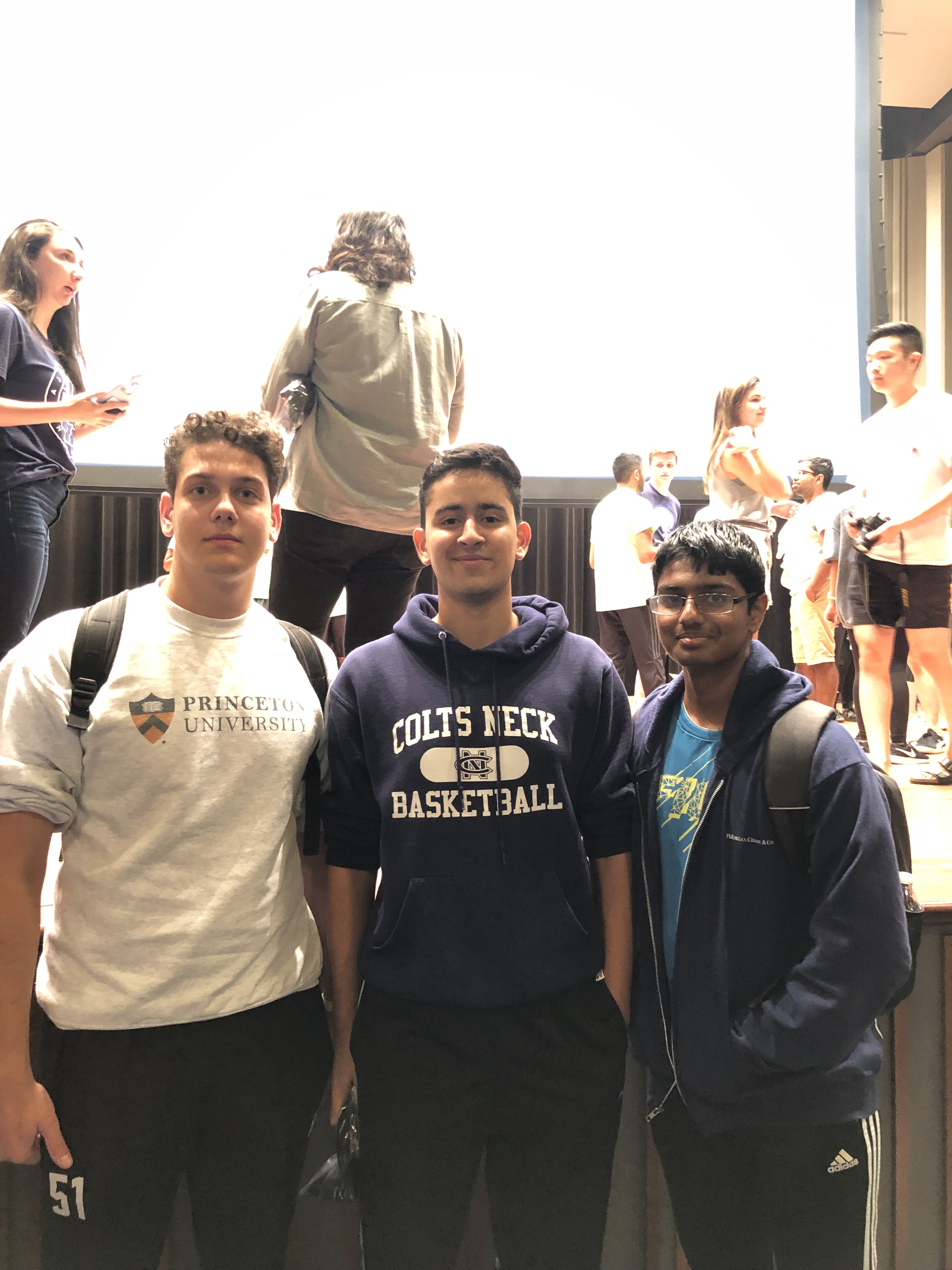
Our team consists of three juniors from High Technology High School in Lincroft, NJ: Sai Vedagiri, Joshua Rakovitsky, and Arya Tschand.
Sai Vedagiri - My area of focus was web app development. I programmed the website to allow admins for an organization to create an organization on an external database and add items and carts associated with their organization conveniently. I also assisted with creating the iOS algorithms and AutoHotkey program for anti-theft. I created the Node.JS program that the AutoHotkey utilizes.
Arya Tschand - My area of focus was iOS app development. I programmed the app to communicate with an external database to receive encrypted user credentials and item information. The app allows users to create shopping lists, track all products in their cart, and pay for their items to eliminate checkout waits. I also helped build and structure the Arduino hardware. Within this area, I focused on the two way passage of data between the app and Arduino hardware via Bluetooth.
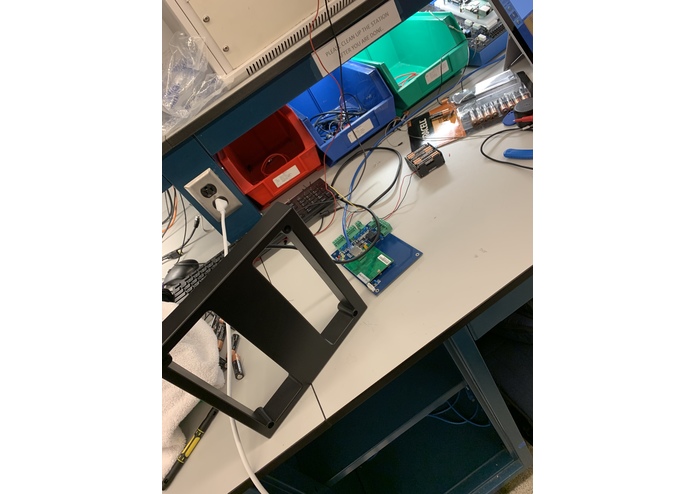
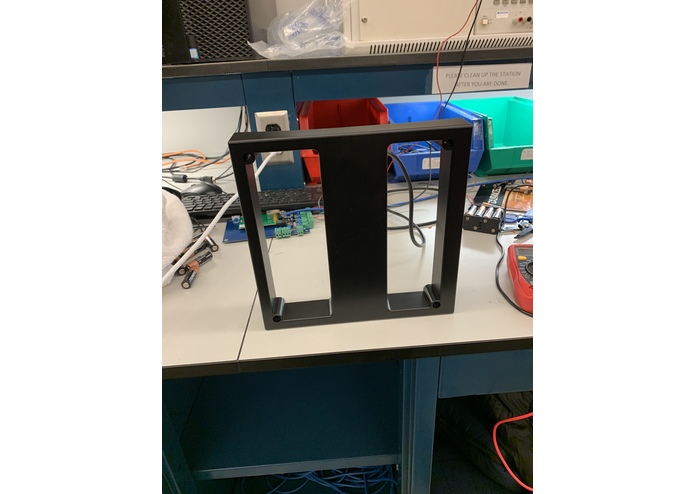
Joshua Rakovitsky - My area of focus was hardware. I was in charge of all Arduino components and programming. I had to ensure the Arduino communicated properly with all the other subsystems. The main RFID reader and all its supplementary components were placed neatly into the shopping basket atop a sheet of cardboard to leave space for the user's items in the basket. The multicolored LED served as a status LED, changing from red, blue, and green to give the user an easy way to see if they were properly connected and if their items were added successfully. The buzzer was used to notify the user when the reader detected an item. In addition, I worked extensively on the anti-theft system and the scripts and software involved. Using node.js and AutoHotkey, I was able to successfully allow the anti-theft system to communicate with the firebase and detect if an item was stolen.
Technologies que nous souhaitons utiliser dans nos projets
App Services (Mobile & Web
Azure
C
Internet of Things (IoT
Javascript